
How to Get Rid of Spiders
Most spiders you find at home are harmless hunters or web-builders with eight legs and two body segments.
How to identify them
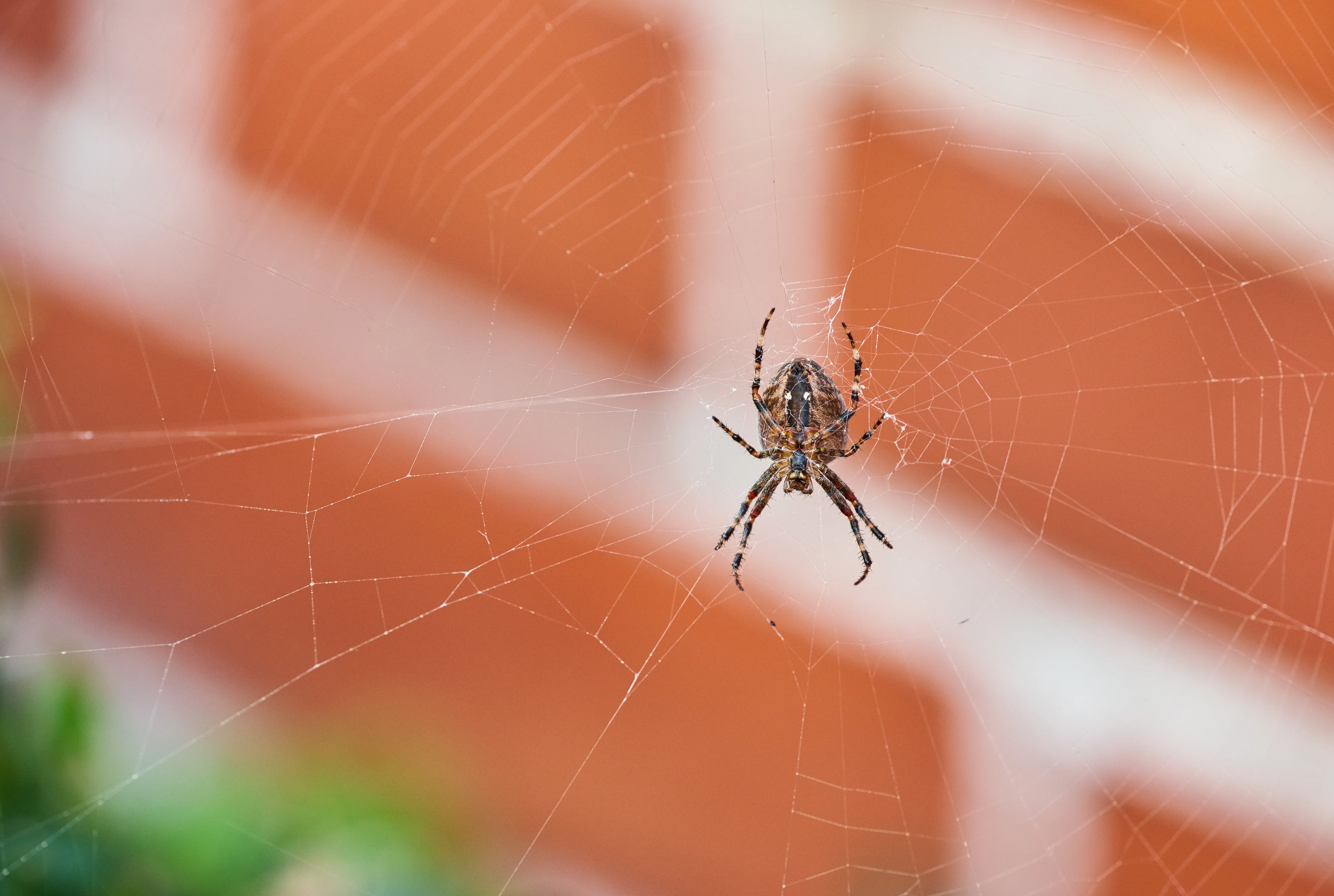
Most spiders you find at home are harmless hunters or web-builders with eight legs and two body segments. You will spot them by their webs in corners, window frames, eaves, and garage ceilings, or moving along walls and floors at night. A few, like widow and recluse spiders, deserve more caution and hide in dark, undisturbed spots.
Where they hide
Spiders show up wherever their food does, so they gather around other insects near lights, vents, and damp corners. Activity often peaks in late summer and fall as they mature and look for mates and shelter, which is when you tend to notice more webs and the occasional spider indoors.
Why it matters
Beyond the startle factor, webs and egg sacs pile up fast in corners and eaves, and a heavy spider presence usually means plenty of other bugs are around for them to eat. Some species can deliver a painful or medically significant bite, so you do not want them setting up near doors, beds, or play areas.
How to get rid of them
Treating for spiders is a two-part job, and your kit handles both. You spray the perimeter and entry points to cut off the insects spiders feed on, and you knock down existing webs and egg sacs with the de-webbing brush heads so nothing re-anchors. Stay on the schedule and the corners stay clear.
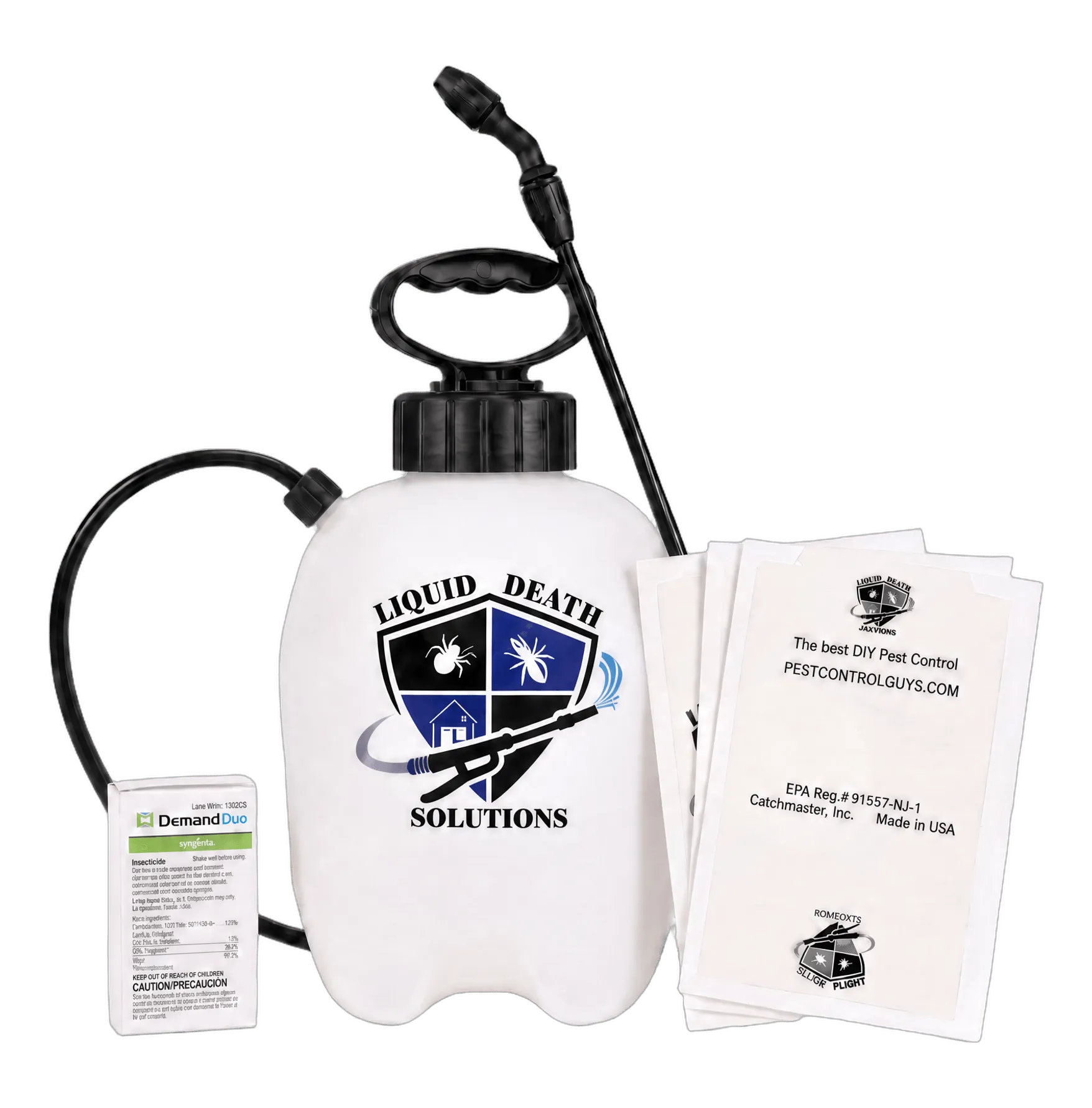
Killer Pro Plan
Your Killer Pro Plan comes with the de-webbing brush heads most kits leave out, plus the professional-strength treatment, so you clear webs and cut off the bugs spiders feed on in one pass.
Safe around kids and pets. Follow the label, and your family and pets can be back in the yard. Clear instructions ship in every kit.