
How to Get Rid of Mice
Mice are a different problem than bugs, and they call for a different fix. A house mouse slips through a gap the size of a pencil, breeds fast, and chews through insulation, wiring, and food packaging once it is inside. Getting rid of them comes down to two things: closing the ways in, and trapping the ones already here.
How to identify them
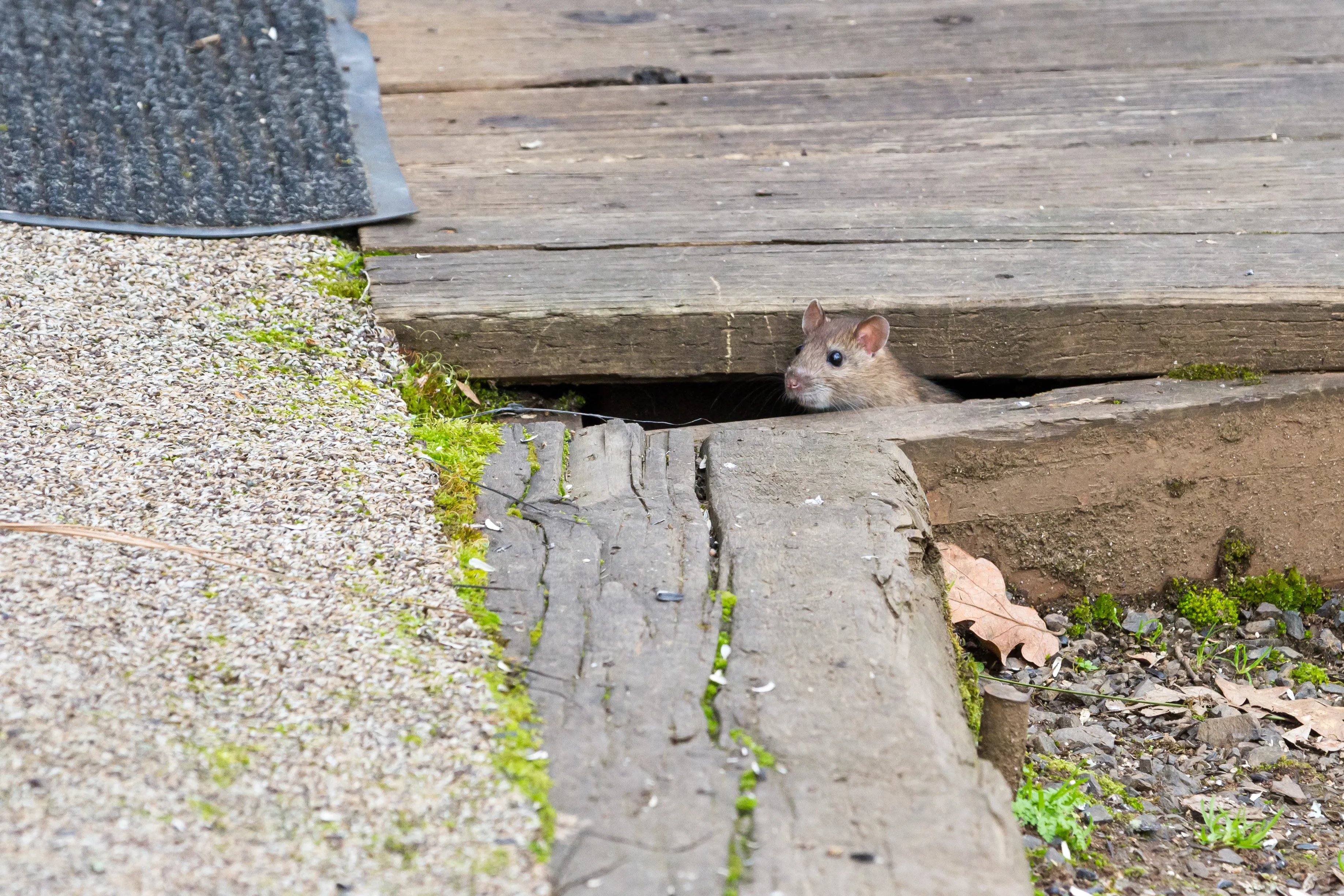
House mice are small and gray-brown with a nearly hairless tail about as long as their body. You will usually notice the signs before the mouse: small dark droppings pointed at both ends, gnaw marks, shredded paper or insulation nests, a musky smell, and scratching in the walls at night. A pet suddenly fixated on a wall or an appliance is another tell.
Where they hide
Mice stay close to food and warmth and out of sight, in wall voids, attics, basements, garages, and behind or under appliances. Cluttered storage and cardboard boxes make easy nests, which is why kitchens, pantries, and utility rooms see the most activity.
Why it matters
Mice are more than a startling houseguest. They contaminate food and surfaces with droppings and urine, can carry disease, and gnaw constantly, including on wiring, which is a fire risk. They also reproduce quickly, so a couple of mice can become an established problem in a matter of weeks.
How to get rid of them
Seal the entry points first. Mice cannot chew through steel, so pack gaps around pipes, vents, and foundation cracks with wire mesh or steel wool and caulk. Then set several snap traps along walls and baseboards where they run, baited with peanut butter, and check them daily until the signs stop.
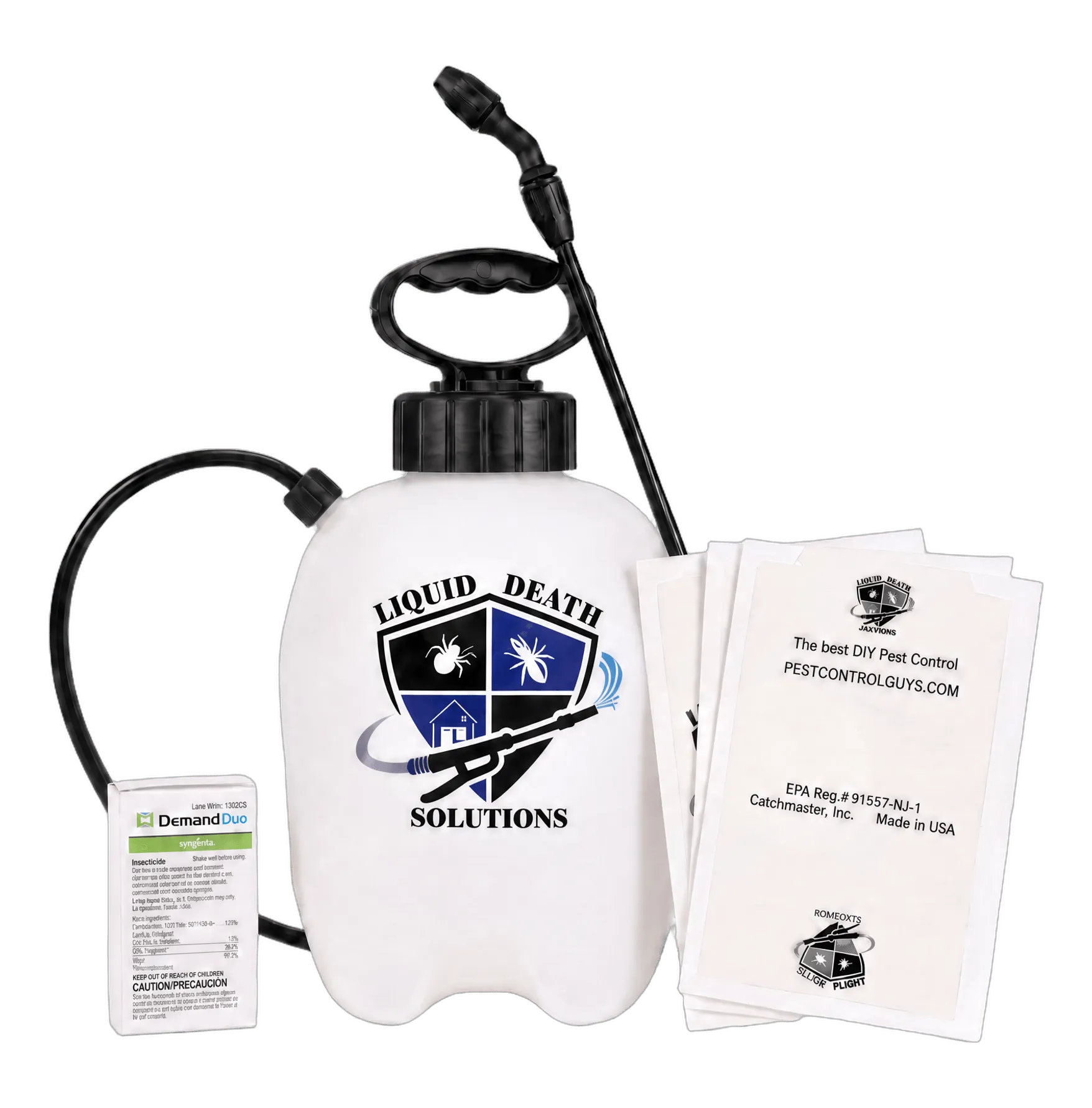
Killer Pro Plan
The Killer Pro Plan is built for insects, so it will not clear a mouse problem on its own. Seal the entry points and trap the mice as described above, then let your plan keep the bugs and the other pests they feed on out of the house.
Safe around kids and pets. Follow the label, and your family and pets can be back in the yard. Clear instructions ship in every kit.